
Published: 18/10/2024
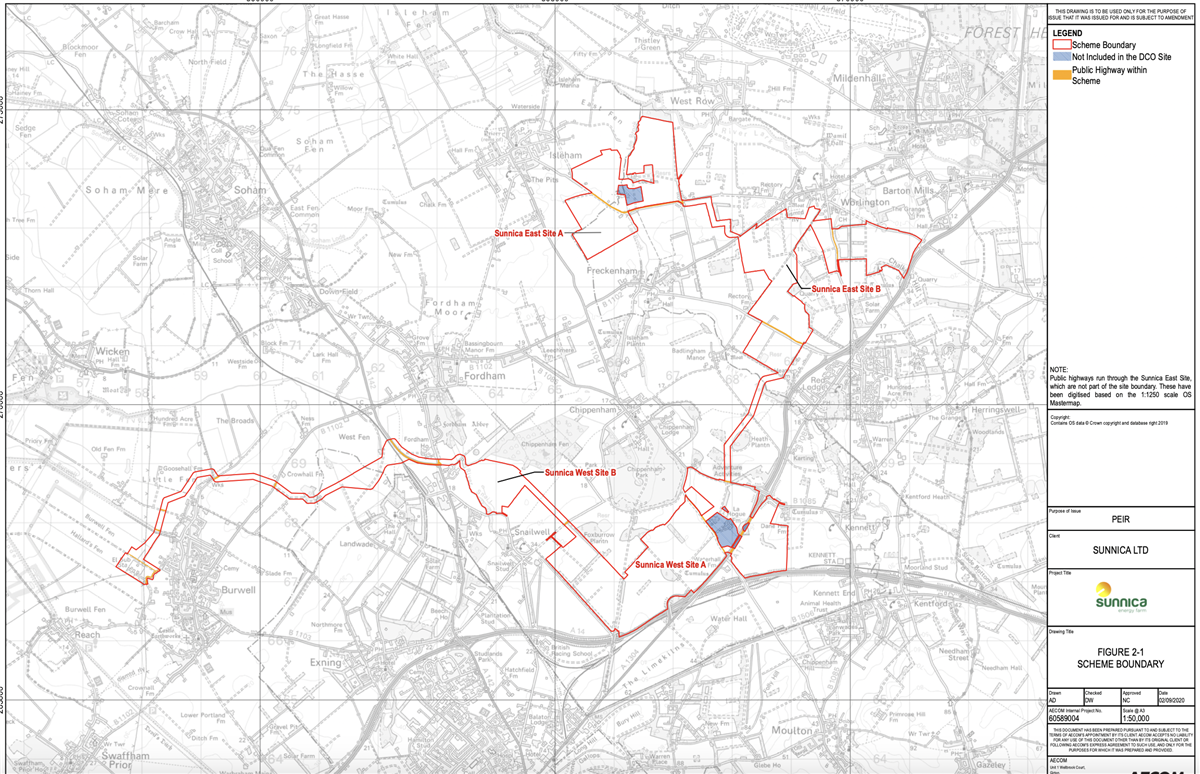
The Sunnica Solar Farm Proposal: A Mixed Bag for Local CommunitiesAs the push for renewable energy intensifies, the Sunnica solar farm proposal has sparked significant debate among local residents and stakeholders. While the project promises to contribute to the UK's green energy goals, it also raises pressing concerns about its impact on house prices, commuting for local residents, and potential health risks associated with battery storage.
Potential Impact on House Prices
One of the most immediate concerns for homeowners in the area is the potential impact on property values. Research has indicated that solar farms can negatively affect house prices nearby due to aesthetic concerns and perceptions about land use. For a village like Freckenham, noted as one of the most expensive in Suffolk, the implications could be severe.
As buyers consider their options, the presence of a solar farm may deter some from investing in this picturesque village, known for its charm and high property values. Homeowners may face challenges in reselling their properties if potential buyers are hesitant about living near renewable energy installations. The long-term value of homes in Freckenham could be at risk, making it essential for local residents to engage in discussions about the proposal's ramifications.
Could Mildenhall Suffer?
Local residents are aware of the traffic issues at the nearby Fiveways roundabout, this could be made even worse when certain crucial roads such as the B1102 to Fordham and Cambridge are shut to allow construction. Could Mildenhall start to feel trapped with a large USAF Base on one side and one of the largest solar farms in the country located on the other? It is difficult for Mildenhall to expand due to RAF Mildenhall and the Mildenhall Woods, we also have the River Lark and the overflow drain trapping us in the to the East & South.
Commuting Considerations
In addition to financial implications, the Sunnica solar farm may affect commuting for local residents. The construction and ongoing operation of the solar farm could lead to increased traffic in the area, potentially making daily commutes longer and more frustrating.
Residents who rely on public transportation may also experience changes to their travel routines, as the solar farm's development might disrupt existing routes or create accessibility challenges. For a village where commuting patterns are already established, any changes could significantly impact the quality of life for those who call Freckenham home.
Health Concerns
Health concerns are another critical aspect of the Sunnica solar farm proposal. The storage facilities for batteries used in solar energy systems pose potential risks, including the dangers of fires or toxic spills. These issues raise questions about the safety of nearby residents and the long-term health implications of living close to such facilities.
While renewable energy is essential for a sustainable future, it is crucial to consider the community's sentiment regarding the risks involved. Open dialogue between project developers, health experts, and residents can help address fears and provide clarity on safety measures in place.
Conclusion
The Sunnica solar farm proposal presents a complex scenario for local communities. While the project aligns with broader environmental goals, the potential impact on house prices, commuting, and health cannot be overlooked. As Freckenham continues to uphold its status as one of Suffolk’s most desirable villages, it is vital for residents to engage in discussions about the implications of renewable energy projects in their area. Balancing the benefits of sustainable energy with the needs of local communities is essential for a harmonious future.